Araucaria cunninghamii, or Hoop Pine bonsai
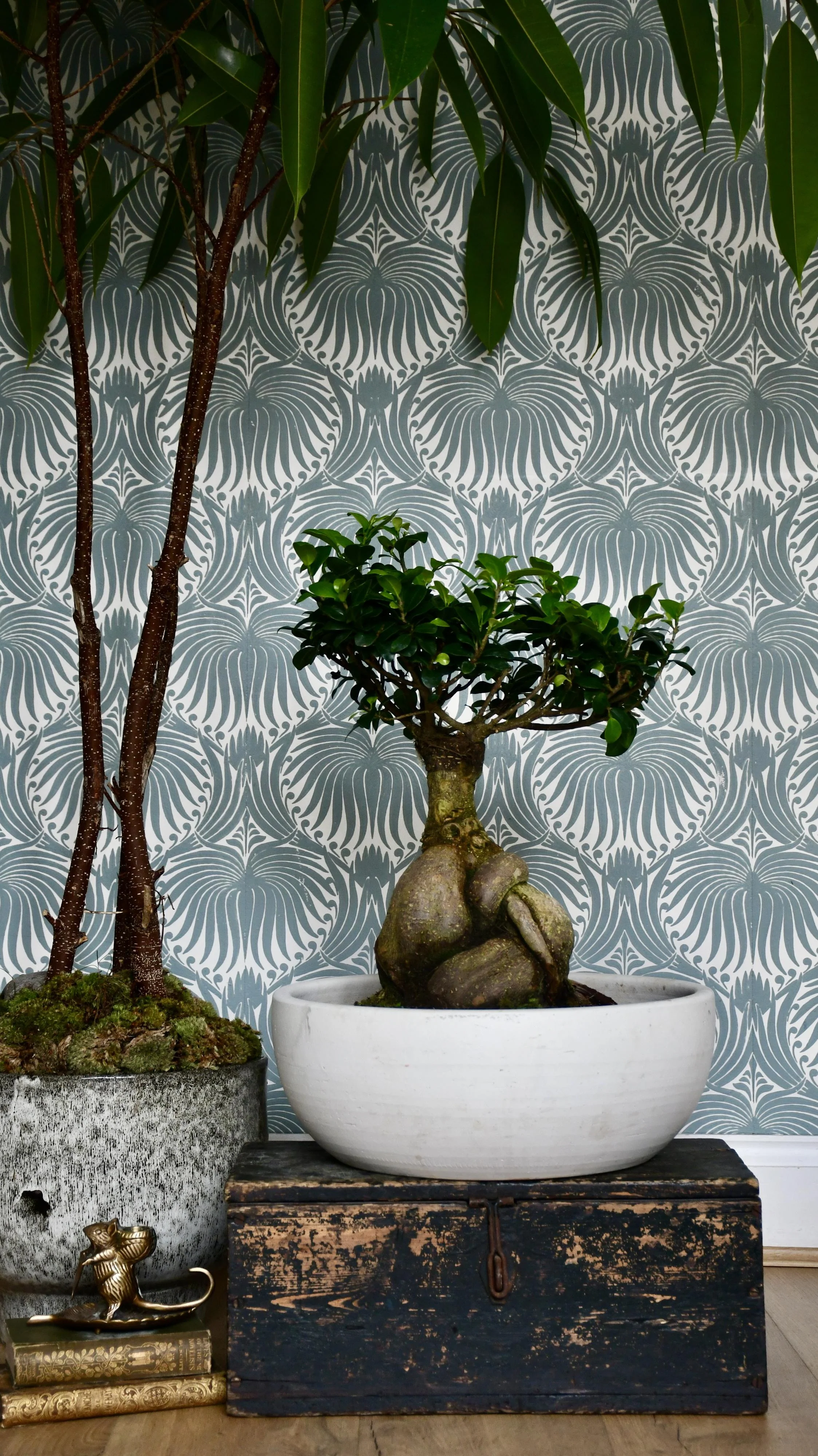
Bonsai Araucaria cunninghamii, also known as Hoop Pine, is a beautifully architectural miniature tree that brings a calm, Japanese-inspired presence into the home. With its soft, tiered branches and upright, evergreen silhouette, it looks like a tiny mountain conifer captured in a pot — a living sculpture that immediately gives your room a sense of stillness and refinement. Supplied in a 16cm pot and standing around 40cm tall, it is the perfect size for shelves, consoles, sideboards and curated displays.
In its native habitat, Araucaria cunninghamii grows in the coastal forests of Australia and New Guinea, where it rises straight and tall into the canopy. Indoors, it transforms into something far more intimate. The trunk slowly thickens, the branches form in layered whorls and the foliage stays soft and feathery. Its naturally symmetrical growth makes it a wonderful choice for calm, minimal interiors and Japanese-style plant displays where clean lines and “quiet” greenery are favoured over big, leafy shapes.
This compact conifer is often compared to indoor bonsai for the sense of permanence it brings. Unlike fast-growing houseplants, it evolves slowly and gracefully — each new tier of branches arriving like a small event. It’s a plant you grow with, not simply own.
Native habitat and growth pattern
In the wild, Hoop Pines form part of the subtropical forest canopy and are known for their tall, straight trunks and elegantly layered branches. Indoors, the same architectural structure remains, but on a much smaller scale. Expect slow, steady growth, with new whorls of foliage developing at the top. Its evergreen needles stay soft and flexible, creating a gentle, feathery texture rather than a harsh or spiky feel.
Because it grows upright and symmetrical, the plant naturally echoes the conifers used in Japanese gardens, temple courtyards and traditional bonsai. It offers the same sense of order, clarity and quiet presence.
Styling ideas
This is where the plant shines, especially if you love Japanese or Japandi interiors.
• Minimal Japanese display
• A modern Japandi accent
• Create an indoor forest miniature
• A calm focal point in bright rooms
• Works beautifully as a living sculpture
Bonsai Araucaria cunninghamii care guide
Light requirements:
Needs bright light to maintain its compact structure. A bright east- or south-facing window is ideal. Gentle morning or late-afternoon sun is fine, but avoid intense midday heat. Low light will cause stretching and loss of form.
Watering:
Keep the soil lightly and consistently moist. Let the top few centimetres dry slightly, then water thoroughly and drain. Never allow it to sit in water or dry out fully. Reduce watering in winter.
Humidity and temperature:
Average household humidity is fine. Keep away from radiators and hot, dry air. Prefers a stable room at 16–24°C and dislikes sudden temperature changes or draughts.
Feeding:
Feed lightly during spring and summer with our Happy Houseplants Original Vegan Plant Food, a gentle seaweed-based fertiliser that supports slow, steady growth.
Pet safety:
Not classed among the most toxic houseplants, but keep out of reach of chewing pets or small children.
Propagation:
This is a plant to shape and live with over time, not one you propagate. Enjoy it as a single, sculptural tree.
Why choose this plant?
There’s something almost meditative about living with a tree like this. The Bonsai Araucaria isn’t a quick burst of foliage or a fast-growing statement — it’s a slow companion, a tree that reveals itself in rhythm with your home. Each new whorl of branches feels like a small moment, a quiet shift, the sort of change you notice only when you pause and really look.
In Japanese interiors, plants like this are chosen because they bring balance rather than drama. A single upright form, evergreen calm, and a sense of structure that quietly anchors the room. Indoors, it plays exactly that role. It adds height without heaviness, stillness without austerity, and a gentle architectural line that fits perfectly into calm, minimal and Japandi spaces.
Every plant is hand-picked for shape, character and balance — no two are the same. Some have slightly thicker trunks, some lean gently like trees shaped by wind, some stand perfectly straight. Each already looks like a tiny landscape in miniature.
And while it is genuinely rewarding to grow, this is a more specialist plant. It’s perfect for someone who has a bright window, is confident with watering, and enjoys a slower, considered kind of plant care. Not difficult — just specific. We want people to choose it knowingly, so it thrives for years, not months.
Choose this plant if you want something with soul: a quiet presence, a long life, and the feeling of living alongside a miniature tree rather than simply owning a houseplant.
Interesting facts
Araucaria cunninghamii belongs to an ancient lineage of conifers millions of years old.
In the wild, it can reach 60 metres tall — indoors it stays compact and elegant.
Its symmetry has made it a favourite in architectural landscaping and contemporary design.
Its silhouette echoes the conifers used in Japanese temple gardens.
FAQs
Is Bonsai Araucaria cunninghamii easy to care for?
Moderate care. It needs bright light and careful watering.
Where is the best place to put it?
Right beside a bright window. Avoid dark areas and radiators.
Can it go outdoors?
Only during warm, frost-free spells. Treat as an indoor bonsai.
How fast does it grow?
Slow, steady growth. Expect small, incremental changes.
Does it need pruning?
Rarely. Its natural symmetry is part of its charm.
Explore more
Discover more Rare Houseplants or read the Happy Houseplants blog for styling tips and care guides.
Original: $53.20
-70%$53.20
$15.96Product Information
Product Information
Shipping & Returns
Shipping & Returns
Description
Bonsai Araucaria cunninghamii, also known as Hoop Pine, is a beautifully architectural miniature tree that brings a calm, Japanese-inspired presence into the home. With its soft, tiered branches and upright, evergreen silhouette, it looks like a tiny mountain conifer captured in a pot — a living sculpture that immediately gives your room a sense of stillness and refinement. Supplied in a 16cm pot and standing around 40cm tall, it is the perfect size for shelves, consoles, sideboards and curated displays.
In its native habitat, Araucaria cunninghamii grows in the coastal forests of Australia and New Guinea, where it rises straight and tall into the canopy. Indoors, it transforms into something far more intimate. The trunk slowly thickens, the branches form in layered whorls and the foliage stays soft and feathery. Its naturally symmetrical growth makes it a wonderful choice for calm, minimal interiors and Japanese-style plant displays where clean lines and “quiet” greenery are favoured over big, leafy shapes.
This compact conifer is often compared to indoor bonsai for the sense of permanence it brings. Unlike fast-growing houseplants, it evolves slowly and gracefully — each new tier of branches arriving like a small event. It’s a plant you grow with, not simply own.
Native habitat and growth pattern
In the wild, Hoop Pines form part of the subtropical forest canopy and are known for their tall, straight trunks and elegantly layered branches. Indoors, the same architectural structure remains, but on a much smaller scale. Expect slow, steady growth, with new whorls of foliage developing at the top. Its evergreen needles stay soft and flexible, creating a gentle, feathery texture rather than a harsh or spiky feel.
Because it grows upright and symmetrical, the plant naturally echoes the conifers used in Japanese gardens, temple courtyards and traditional bonsai. It offers the same sense of order, clarity and quiet presence.
Styling ideas
This is where the plant shines, especially if you love Japanese or Japandi interiors.
• Minimal Japanese display
• A modern Japandi accent
• Create an indoor forest miniature
• A calm focal point in bright rooms
• Works beautifully as a living sculpture
Bonsai Araucaria cunninghamii care guide
Light requirements:
Needs bright light to maintain its compact structure. A bright east- or south-facing window is ideal. Gentle morning or late-afternoon sun is fine, but avoid intense midday heat. Low light will cause stretching and loss of form.
Watering:
Keep the soil lightly and consistently moist. Let the top few centimetres dry slightly, then water thoroughly and drain. Never allow it to sit in water or dry out fully. Reduce watering in winter.
Humidity and temperature:
Average household humidity is fine. Keep away from radiators and hot, dry air. Prefers a stable room at 16–24°C and dislikes sudden temperature changes or draughts.
Feeding:
Feed lightly during spring and summer with our Happy Houseplants Original Vegan Plant Food, a gentle seaweed-based fertiliser that supports slow, steady growth.
Pet safety:
Not classed among the most toxic houseplants, but keep out of reach of chewing pets or small children.
Propagation:
This is a plant to shape and live with over time, not one you propagate. Enjoy it as a single, sculptural tree.
Why choose this plant?
There’s something almost meditative about living with a tree like this. The Bonsai Araucaria isn’t a quick burst of foliage or a fast-growing statement — it’s a slow companion, a tree that reveals itself in rhythm with your home. Each new whorl of branches feels like a small moment, a quiet shift, the sort of change you notice only when you pause and really look.
In Japanese interiors, plants like this are chosen because they bring balance rather than drama. A single upright form, evergreen calm, and a sense of structure that quietly anchors the room. Indoors, it plays exactly that role. It adds height without heaviness, stillness without austerity, and a gentle architectural line that fits perfectly into calm, minimal and Japandi spaces.
Every plant is hand-picked for shape, character and balance — no two are the same. Some have slightly thicker trunks, some lean gently like trees shaped by wind, some stand perfectly straight. Each already looks like a tiny landscape in miniature.
And while it is genuinely rewarding to grow, this is a more specialist plant. It’s perfect for someone who has a bright window, is confident with watering, and enjoys a slower, considered kind of plant care. Not difficult — just specific. We want people to choose it knowingly, so it thrives for years, not months.
Choose this plant if you want something with soul: a quiet presence, a long life, and the feeling of living alongside a miniature tree rather than simply owning a houseplant.
Interesting facts
Araucaria cunninghamii belongs to an ancient lineage of conifers millions of years old.
In the wild, it can reach 60 metres tall — indoors it stays compact and elegant.
Its symmetry has made it a favourite in architectural landscaping and contemporary design.
Its silhouette echoes the conifers used in Japanese temple gardens.
FAQs
Is Bonsai Araucaria cunninghamii easy to care for?
Moderate care. It needs bright light and careful watering.
Where is the best place to put it?
Right beside a bright window. Avoid dark areas and radiators.
Can it go outdoors?
Only during warm, frost-free spells. Treat as an indoor bonsai.
How fast does it grow?
Slow, steady growth. Expect small, incremental changes.
Does it need pruning?
Rarely. Its natural symmetry is part of its charm.
Explore more
Discover more Rare Houseplants or read the Happy Houseplants blog for styling tips and care guides.